
Wetlands are Wonderlands!
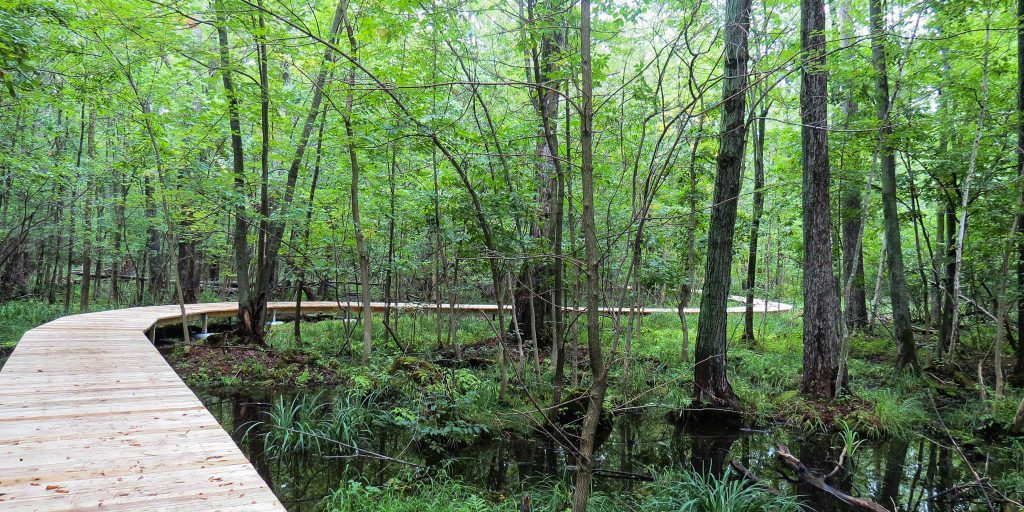
Wetlands are Wonderlands! Wetlands are more than just squishy mud and a place with a lot of water. Wetlands are important for plants, animals, and people. Let us dive into the world of wetlands and why they are so important!
Habitat/Biodiversity
Wetlands provide a specific habitat that is needed for many different species to thrive and repopulate. Our wetland is home to many different migratory birds and various species of waterfowl. Fallen trees, cattail grasses and plentiful waters are just a few of the ideal habitats that make birds choose their nesting sites at wetlands. In addition to birds, wetlands provide the ideal habitat for many different fish species. Here at Heckrodt, short nosed gar use our wetland to spawn (lay their eggs) in as it provides them with the cover of many aquatic plants.
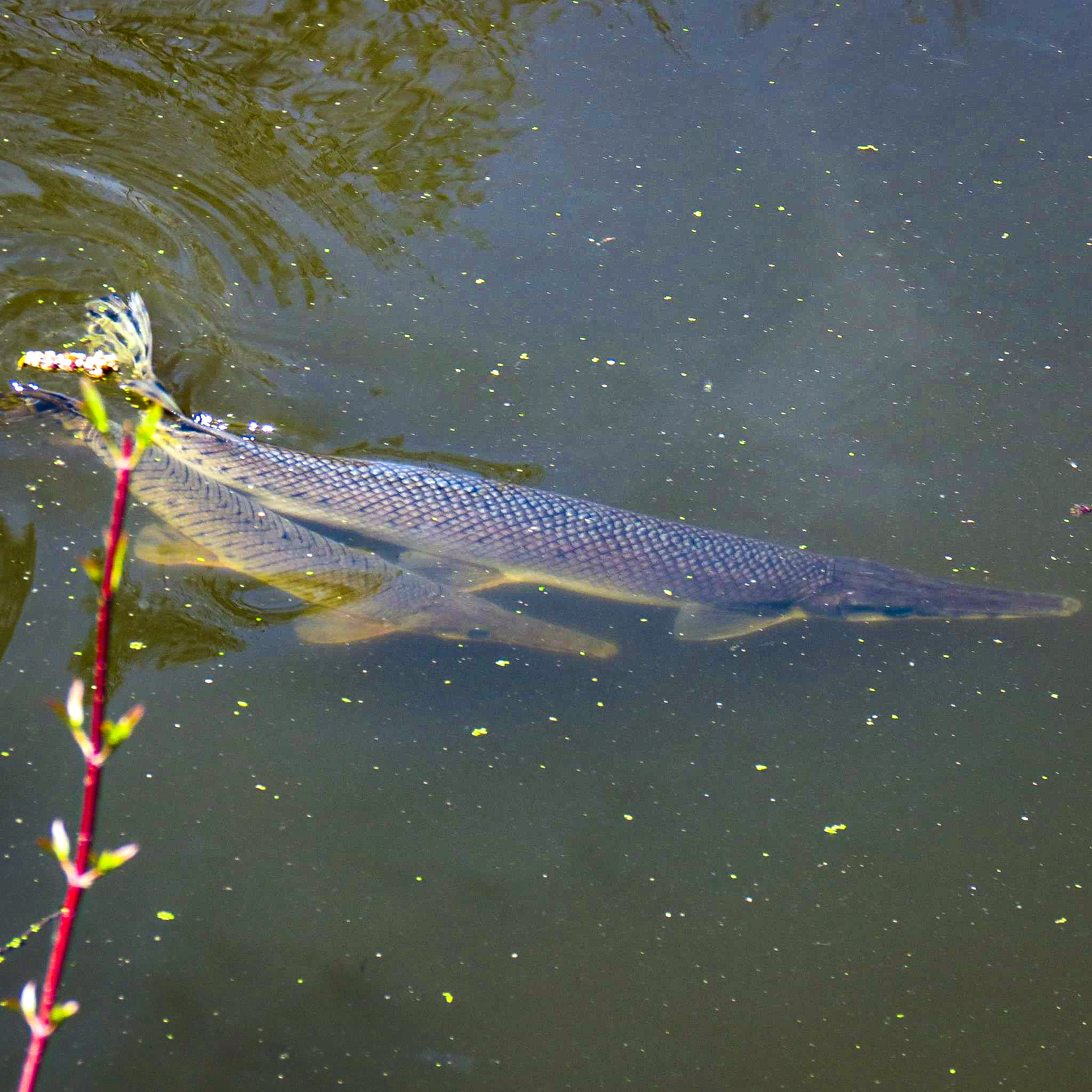
Shortnose gar spawning in the Lopas Channel.
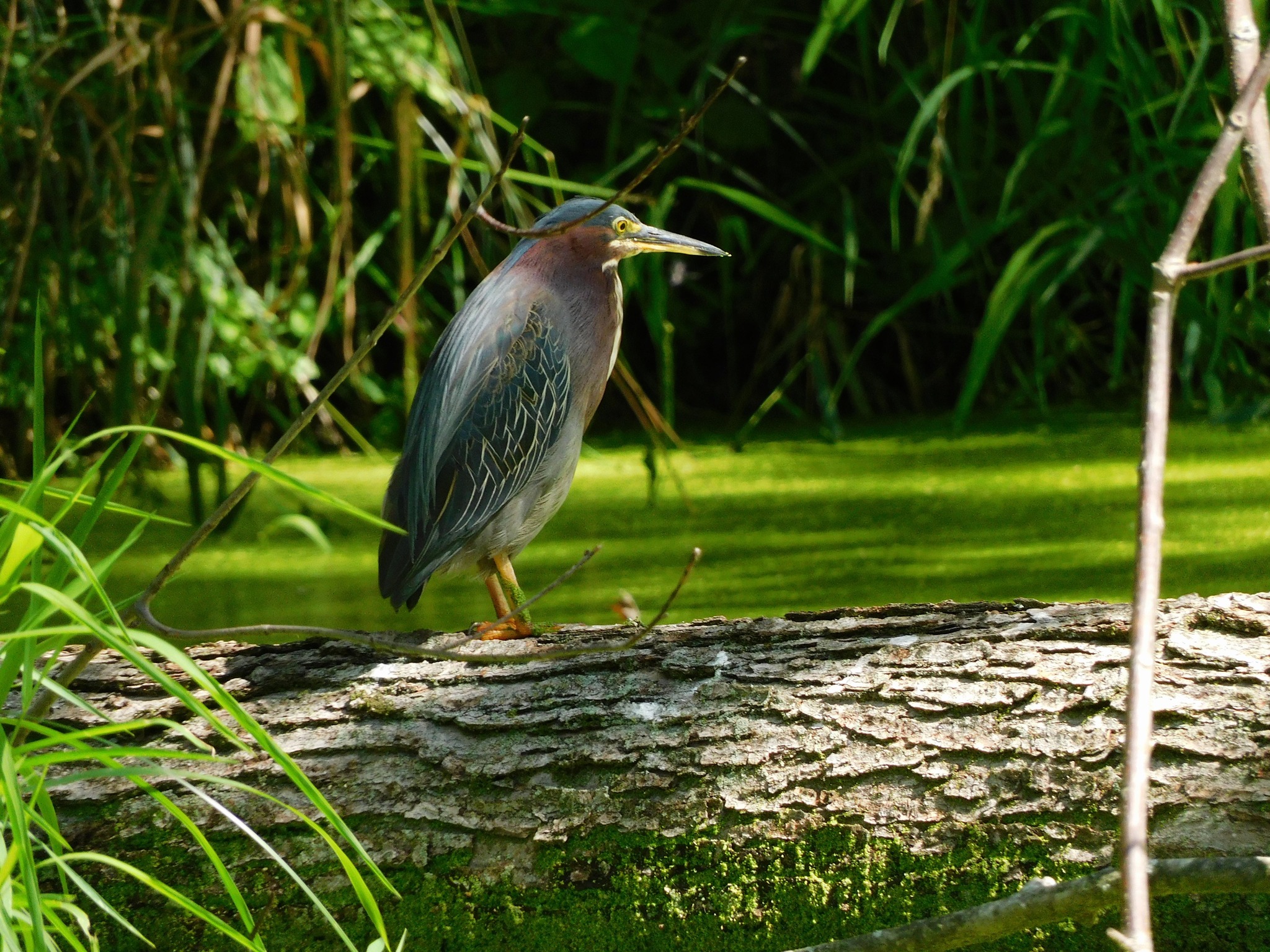
Green heron hunting for food in the wetland!
Flood Control:
Wetlands help to prevent flooding and erosion of the landscape. They store water from rain, snow melt, and runoff. Wetlands act as a big sponge and help slow down water flow and allow for water to slowly make its way to larger bodies of water. The large number of trees and other plants found in wetlands help to create the sponge effect of a wetland. Overtime, this helps to prevent erosion because the water has a lower energy concentration, which does not allow for the water to cut rapidly through soil and other ground covers.
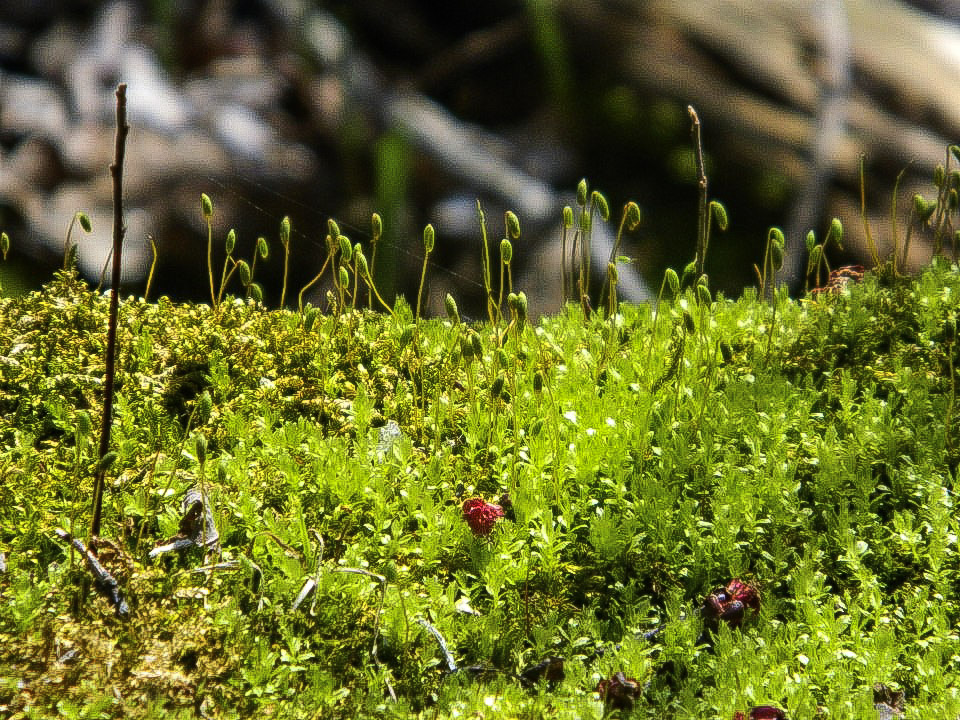
Wetland Moss
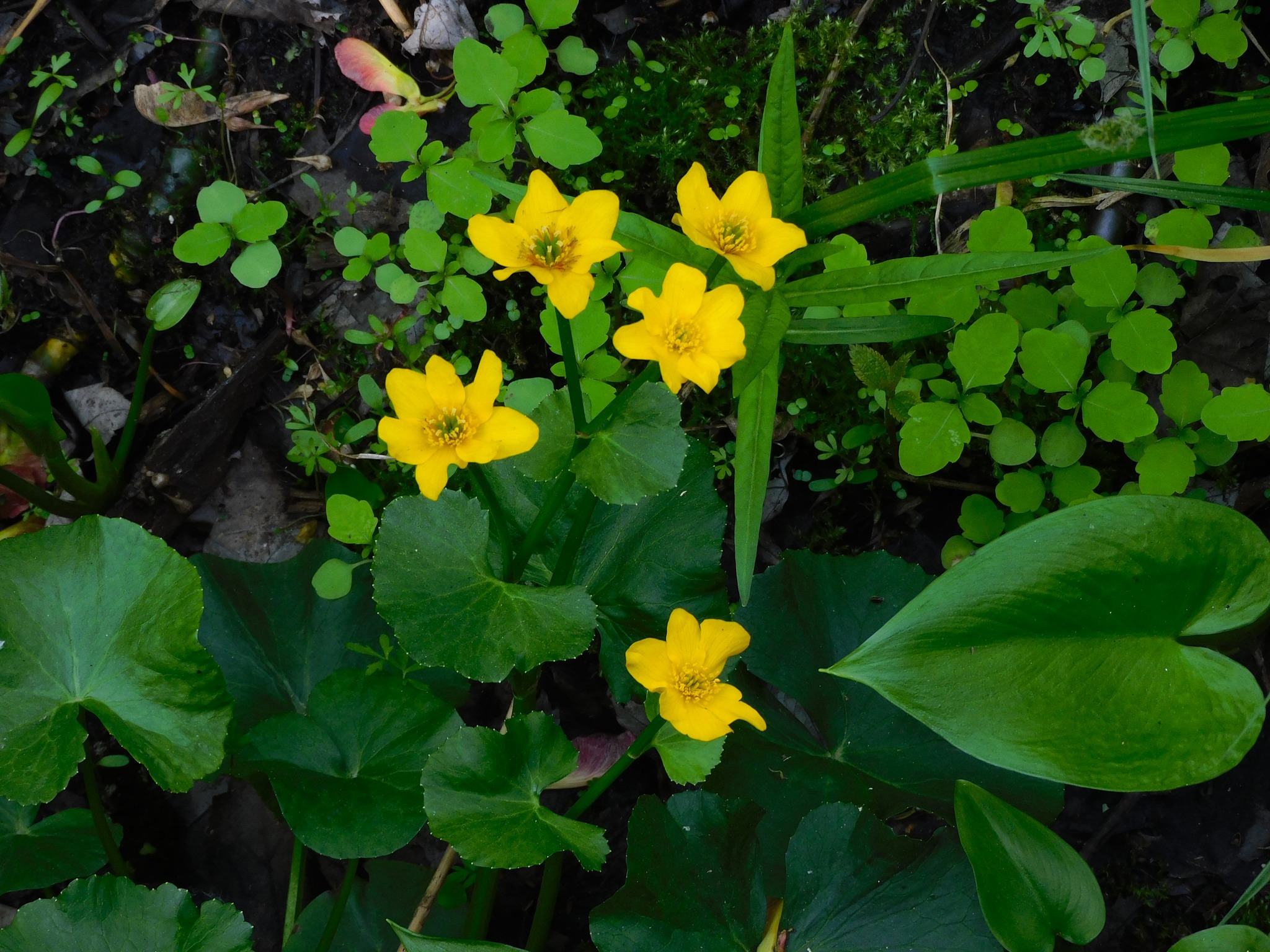
Marsh Marigold
Water Quality:
Wetlands are natural filters. They help to filter out pollutants, sediment, and over abundant nutrients. The filtering process is very important as wetland waters flow into local lakes, riverways, and even oceans. These bodies of water are where over 70% of people get their drinking water from. Here at Heckrodt when it rains, water is washed into the wetlands from roads which are home to many pollutants such as oils from cars, excessive salt, fertilizers and pesticides from lawns as well as garbage litter. Wetlands are home to many different plants and trees which help the filtering process. When the water makes its way into the wetlands it slows down. The mucky soil helps the water pool up giving it time to go through the filtering process. Additionally, the roots of the plants help to absorb the pollutants and make the water cleaner.
This past year the Heckrodt team dug a little bit deeper into how our wetland specifically filters water by conducting 14 water quality tests. These tests were run by local students and the Heckrodt staff. There were 8 different parameters or specific tests that we ran each time. We tested the water temperature which tells us how hot or cold the wetlands are. Additionally, we checked the dissolved oxygen levels which can tell us how much oxygen is present in the body of water. We also tested the pH which was able to indicate how acidic or basic the water was. The students also measured the turbidity of the water which allowed us to know how clear or murky the water was. Conductivity was also measured, which allowed us to know how well the water could conduct electricity. This measurement can detect possible pollutants if the conductivity level is higher. Next, we tested the chloride levels of the water which allowed us to know how much dissolved salt was present in the water. Phosphorus was also measured, which is an element found in fertilizers. If there is too much phosphorus in the water, it can cause excessive algae growth which affects animals and people. Lastly students also completed a macro-invertebrates survey. This survey measures invertebrates, or animals without backbones, which live in water. The more diverse species of macroinvertebrates the cleaner the water usually is. Through these tests we discovered we had 20+ parts per million of chloride at all our sites…with higher levels at Bartz Pond and Lopas Channels (the points where water initially enters the Reserve -chloride from the roads). Our water clarity increased as you went further into the wetland which tells us that the wetland does in fact help filter the water. The phosphorous and conductivity results did go down as it went through the wetlands as well. As we continue this testing, we will paint a clear picture of the impact of our wetland on the community’s water quality.
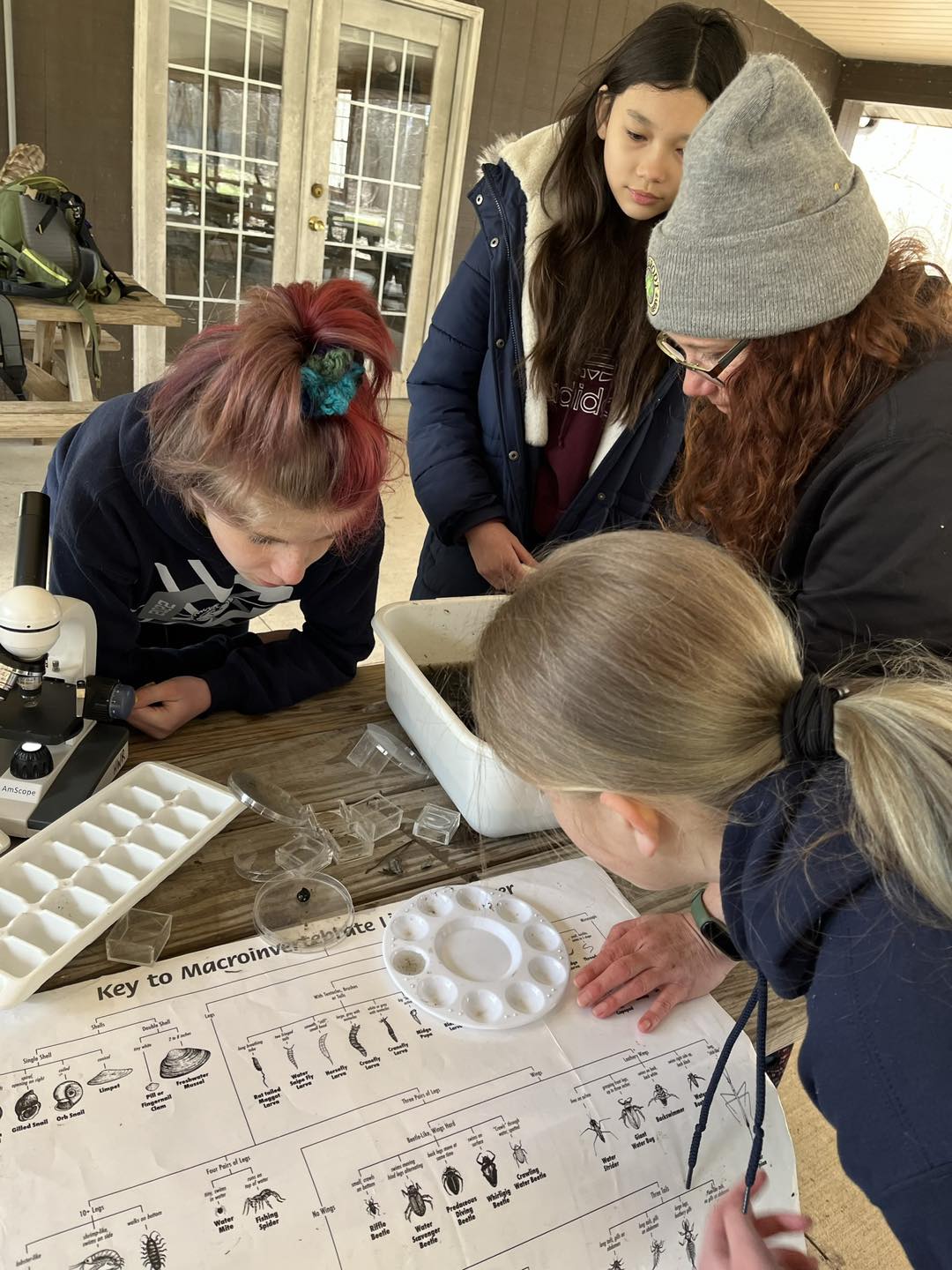
Macroinvertebrates study
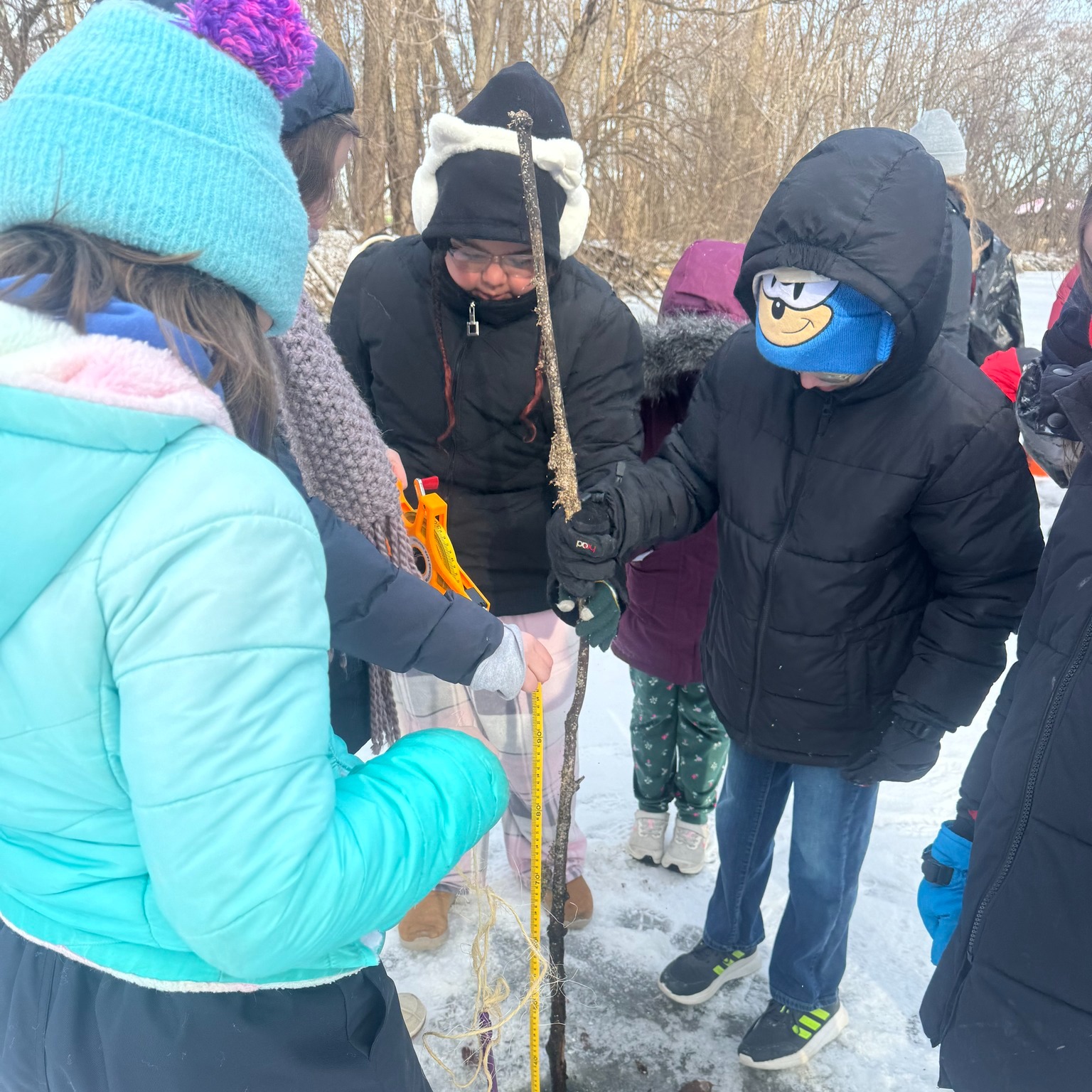
Water quality testing
Education:
Because wetlands are so important for plants, animals, and people, it is essential that they are educated about. Wetland education can allow learners to be introduced to a new ecosystem and the benefit it provides. When people become aware of the major importance of wetlands and the threats that many of them face, they will understand their value and why it is essential to preserve and restore these areas.
Heckrodt Wetland Reserve is happy to enhance, restore, preserve and educate about wetlands because we think Wetlands are Wonderlands!