
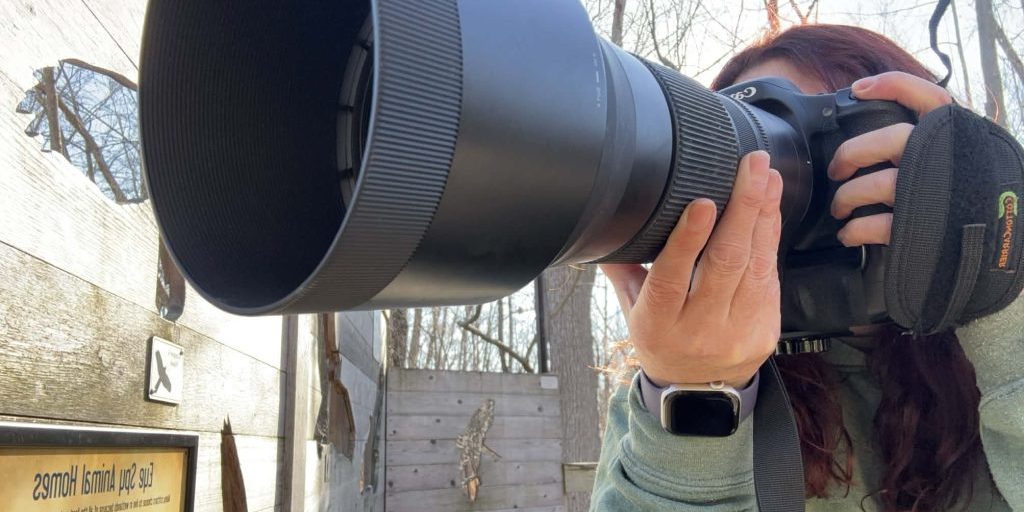
Through a Naturalist’s Lens
Wildlife Photography as Connection, Calm, and Responsibility
Every time I pick up a camera, something inside me shifts.
The world slows down. My breathing steadies. And suddenly my focus narrows to one small piece of the natural world, whether it be a bird perched quietly on a branch, an owl watching from the forest edge, or a squirrel pausing mid-forage.
Wildlife photography has become more than just a hobby for me. It is a way to reconnect with nature, calm my mind, and remind myself how much beauty exists around us when we take the time to truly look.
When life feels stressful or overwhelming, focusing on that single subject through a camera lens helps me reset. The act of waiting quietly for the right moment forces me to slow down. Instead of thinking about everything else going on in the world, my attention is completely on that one bird, that one owl, that one moment in time.
Nature has a way of grounding us like that.
But wildlife photography also comes with responsibility.
Wildlife Ethics Matter
Photographing animals should never come at the expense of their well-being. As photographers, we are visitors in their world, and our presence should never cause harm or stress.
One of the most important rules is never to bait wildlife to take photos. Feeding animals to lure them closer can change their natural behaviors and make them dependent on people.
It is especially important to be mindful during nesting season. Birds and other wildlife are working hard to raise their young, and disturbances can cause serious problems. For example, with owls, the male is responsible for bringing food to the nest. If people crowd the nesting area or block the path to the nest, it can interrupt that critical feeding process.
Another practice that should be avoided is playing recorded bird calls to attract animals during territorial season. These calls signal to birds that a rival is nearby. When we use them to lure wildlife closer, we are essentially tricking them into thinking they need to defend their territory, which causes unnecessary stress and wastes valuable energy.
Ethical wildlife photography also means giving animals space. If an animal changes its behavior because of your presence such as moving away, stopping what it is doing, or showing signs of stress, that is a sign you are too close.
The goal of wildlife photography should always be to observe, not interfere.
Learning Through the Lens
One of the most incredible things about wildlife photography is how much it teaches you.
The more time you spend watching animals, the more you begin to understand their behaviors. Patterns start to emerge. Certain birds return to the same territories year after year. Owls, for example, have extremely specific nesting territories, and if you spend enough time observing them, you begin to recognize when they arrive, when nesting season begins, and when young birds begin preparing to leave. By fall, families begin to separate and disperse. Knowing these seasonal rhythms helps photographers anticipate where wildlife might be, but it also deepens our appreciation for their lives. Photography turns observation into learning. And learning turns into connection. And a nature connection leads to becoming a lifelong steward for nature.
A Tool for Teaching
As a naturalist, wildlife photography has become one of my most valuable tools.
Not every child who visits a nature center or goes on a hike has had the opportunity to see wildlife up close. Many animals are shy or active at times when people are not around. But photographs help bring those experiences into the classroom or onto the trail.
When kids see real photos of animals from their own community, something clicks. Suddenly the forest is not just trees, it is home to owls, hawks, foxes, and countless other creatures. Photos help tell those stories. They also help document behavior. Over time, images can become a record of seasonal changes, nesting patterns, and animal activity. Photography becomes both art and science as well as a way of appreciating wildlife while also learning from it.
Slowing Down to See
Wildlife photography reminds me that nature rewards patience. You might sit quietly for a long time without anything happening. But then suddenly a moment appears, an owl lifting silently into flight, a bird landing on the perfect branch, or a small animal pausing long enough to meet your gaze. Those moments cannot be rushed. They only happen when we slow down enough to notice them. And that is the greatest gift wildlife photography offers: a reminder that the natural world is full of wonder if we just take the time to look.
Written by: Andrea Bierbrauer
Heckrodt Wetland Reserve
Naturalist/Early Childhood Program Manager
-

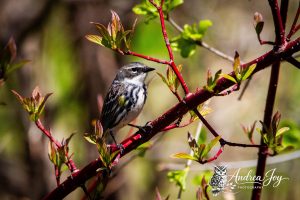
- Yellow-Rumped Warbler
-
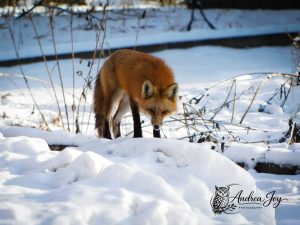
- Red Fox
-
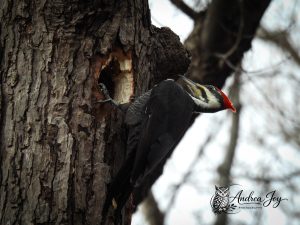
- Pileated Woodpecker
-
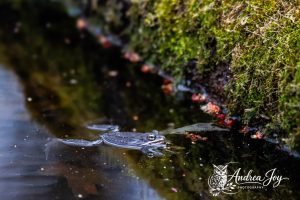
- Wood Frog
-
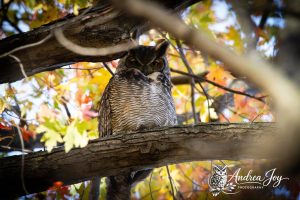
- Great Horned Owl
-
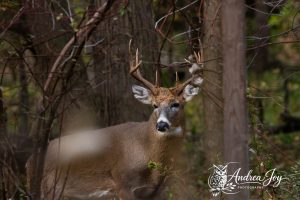
- White Tailed Deer
-
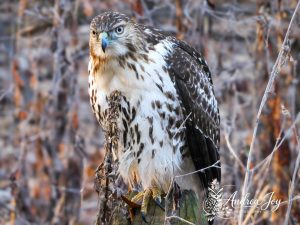
- Red Tailed Hawk
-
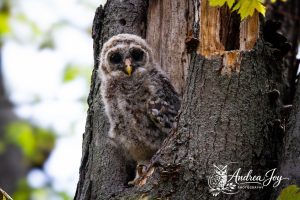
- Barred Owlet
-
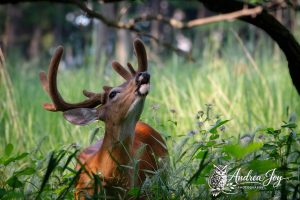
- White Tailed Deer in Velvet
-
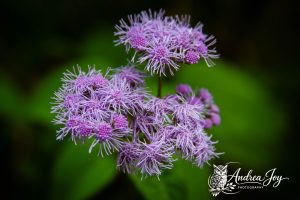
- Blue Mistflower
-
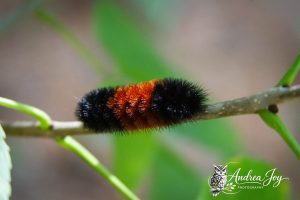
- Wooly Bear
-
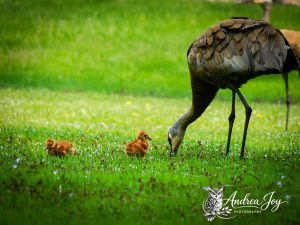
- Sandhill Crane Family
-
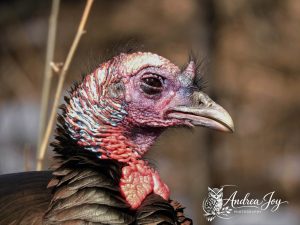
- Wild Turkey
-
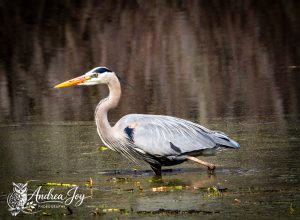
- Great Blue Heron
-
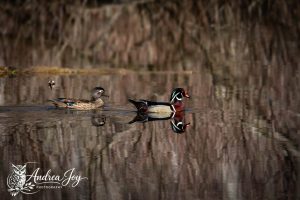
- Pair of Wood Ducks
-
- Juvenile Barred Owl
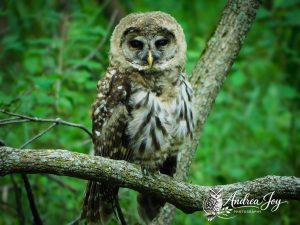
Photos taken by Andrea Bierbrauer