Nature’s Rest Stops: Migratory Stopovers
Migratory Stopovers in Wisconsin
Migratory stopovers in Wisconsin are vital and often overlooked places in a bird’s journey. These are high-risk, high-need periods where birds must rest and refuel, especially along the shores of the Great Lakes, Lake Winnebago, and throughout wetlands across the state. During migration, stopover sites can support millions of birds, including songbirds, waterfowl, and raptors. Some of these incredible travelers journey more than 3,000 miles.
These habitats include forests, prairies, wetlands, and even small urban parks. Each one serves as critical lifeline to the survival of our migratory species. As they provide essential food and water, protection from predators, and a brief but necessary place to rest.
Why Stopover Habitats Matter
Fuel and Protection
Stopover sites provide the resources birds need to replenish fat reserves used during flight, while also offering safe places to hide and recover.
Ecological Importance
These areas do not just benefit birds—they support entire ecosystems. Migrating birds help control insect populations, disperse seeds, and contribute to overall biodiversity.
Species Diversity
Wisconsin supports a wide variety of migrating species. Areas along the Great Lakes and Lake Winnebago are especially important for songbirds, shorebirds, and waterbirds.
Threats and Conservation
These critical habitats are increasingly at risk due to urban and agricultural expansion, as well as climate change. Protecting and restoring stopover habitats has never been more important.
Urban Value
Even small green spaces in cities can serve as essential stopovers, giving birds a chance to rest during long journeys.
Heckrodt Wetland Reserve as a Migratory Stopover
The diverse wetlands at Heckrodt provide an ideal stopover habitat. These areas offer safe refuge for waterfowl and shorebirds, as well as vital resources for migrating songbirds.
Our team has worked hard to create and maintain a welcoming habitat for these tiny travelers. Our efforts include:
- Planting native vegetation provides critical food sources.
- Removing invasive species that lack nutritional value.
- Adding native trees that offer fruit and shelter.
- Monitoring water quality to support healthy ecosystems for both wildlife and people.
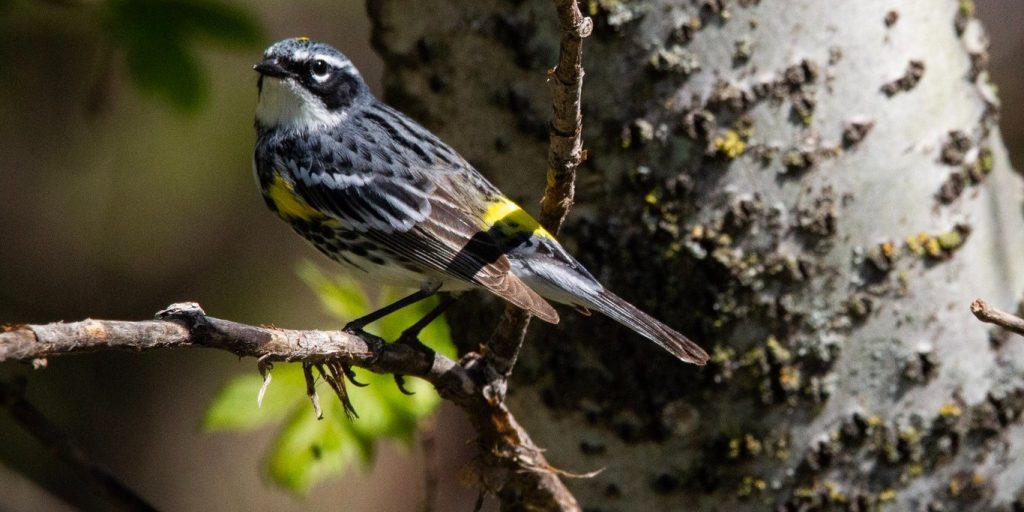
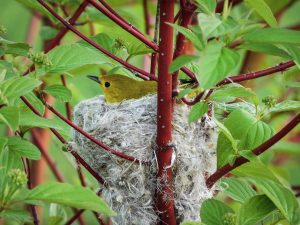
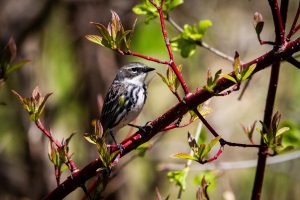
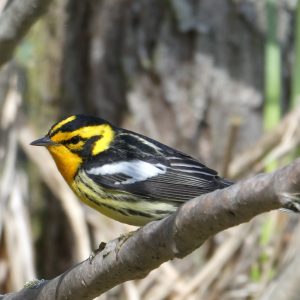
In recent years, Heckrodt has hosted a variety of migrating warblers, including Black-and-white Warblers, Yellow-rumped Warblers, Yellow Warblers, and Blackburnian Warblers.
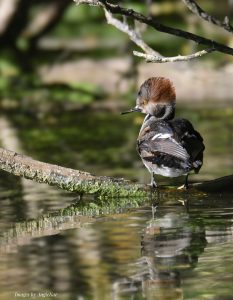
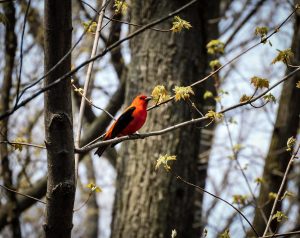
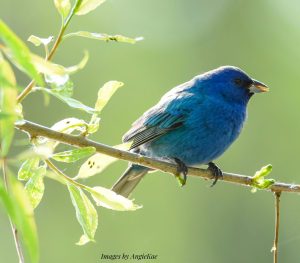
We have also welcomed other songbirds like Scarlet Tanagers and Indigo Buntings. In the fall, species such as Hooded and Common Mergansers, Green-winged Teal, and Northern Pintails stop on our ponds.
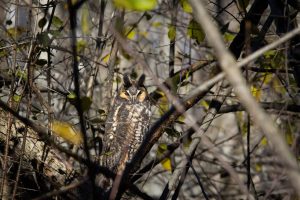
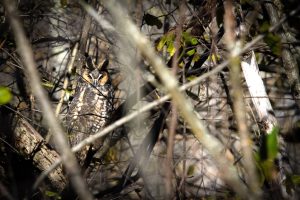
And for the past three years, a Long-eared Owl has chosen the Reserve as a place to pause—staying for about 24 hours to rest and refuel before continuing its journey.
How You Can Help Migrating Birds
Plant Native Vegetation
Choose native shrubs and trees that provide berries, attract insects, and offer shelter.
Create Structure and Shelter
Brush piles and natural landscaping can protect birds from predators and harsh weather.
Provide Water Sources
A clean, safe birdbath or water source is critical for migrating birds.
Support Food Availability
Keep feeders clean and stocked with appropriate seeds, especially during spring and fall migration.
Improve Safety
- Add window decals, netting, or UV materials to reduce bird collisions.
- Keep cats indoors.
- Avoid pesticides and insecticides.
- Lights Out (Turn off or dim outdoor lights at night to prevent disorienting migrating birds.)
A Place to Rest, A Reason to Protect
At Heckrodt Wetland Reserve, we are proud to be part of something much bigger than ourselves. Every bird that stops here is on an incredible journey. And they depend on safe places like this to survive.
By protecting and restoring habitats, both large and small, we can ensure that these journeys continue for generations to come.
Written by: Andrea Bierbrauer
Naturalist/Early Childhood Program Manager
-

- Nesting Yellow Warbler Photo by Andrea Bierbrauer
-
- Yellow-Rumped Warbler Photo by Andrea Bierbrauer
-
- Scarlet Tanager Photo by Andrea Bierbrauer
-
- Long Eared Owl Photo by Andrea Bierbrauer
-
- Long Eared Owl Photo by Andrea Bierbrauer
-
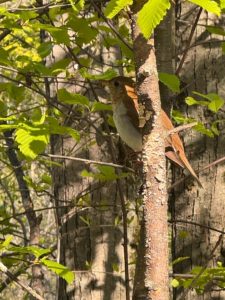
- Veery Photo By Andrea Bierbrauer
-
- Blackburnian Warbler Photo taken by Karen Lehner
-
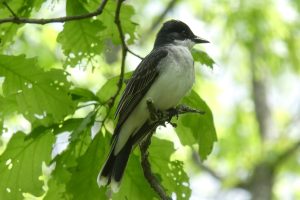
- Eastern Kingbird Photo by Karen Lehner Karen Le
-
- Indigo Bunting by Angie Kriescher
-
- Hooded Merganser by Angie Kriescher