Beyond the Lesson
What It Really Takes to Create a Meaningful Field Trip
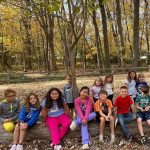
When most people think about a field trip, they picture a group of students walking the trails, discovering nature, and learning something new. And while that is certainly true, what many do not see is everything that happens before those buses even arrive.
At Heckrodt Wetland Reserve, field trips are so much more than teaching. They are carefully crafted experiences designed to connect students with the natural world in meaningful, lasting ways.
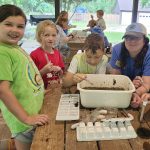
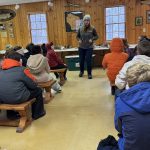
Each field trip begins long before students step onto the trail. We gather materials, double-check lesson plans, and make sure we have everything we need. We set up the teaching space with our teaching materials. Each lesson has its own teaching trunk with all the educational materials inside like furs, skulls, photos, books. Each day we roll a bin out and set up that day’s lesson. We also set out enough sit-upons in our classroom, so every child has a place to settle in and engage. Every activity, every prop, and every moment is intentional.
But preparation goes far beyond supplies.
We take time to learn about each group visiting us. Are there students with different abilities or specific needs? How can we adapt our lessons to ensure every child feels included, comfortable, and successful? These are questions we ask ourselves with every single program because nature is for everyone.
We also spend time out on the trails before each visit, checking conditions and observing what is happening in real time. Nature is always changing. There maybe a goose on a nest near the path, or an owl roosting nearby in a spot we can safely observe. These moments can transform a good field trip into something unforgettable.
Behind the scenes, there is also a lot of coordination. Do we have enough volunteers? Are they prepared? Do they know their roles? A successful field trip is truly a team effort, and our volunteers play a vital role in creating these experiences.
Each year, we intentionally align our programs with state education standards so that what students experience here directly supports what they are learning in the classroom. After every visit, we send evaluation forms to teachers and chaperones and we use that feedback. It helps us grow, refine our lessons, and adapt our programs to better meet the needs of each school. Education is not static, and neither are we. We are constantly evolving to ensure every lesson connects, engages, and adds value beyond the trail.
Our field trips are also thoughtfully structured to match both the age of the students, their development levels, and the goals of the classroom teacher. Programs for our youngest learners, preschool, 3K, 4K, and Kindergarten are designed as engaging hour-and-a-half experiences. While older students in 1st grade through high school participate in more in-depth, two-hour programs. Every visit is customized around the topic selected by the school, blending hands-on learning with time spent outdoors.
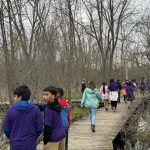
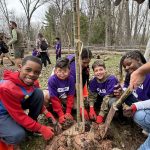
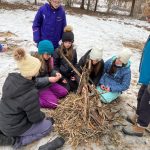
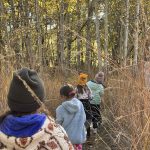
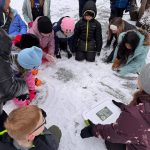
Many programs include a guided hike or immersive nature experience, giving students the opportunity to connect directly with the environment they are studying. A class exploring frogs might begin with an introduction to amphibians before heading out on a wetland hike. Our popular spring program, Swamp Stomp, invites students to discover the three key ingredients of a wetland through interactive activities and firsthand exploration. Other programs, like our Tree-mendous Tree Program, take place entirely outdoors, with each stop along the trail offering a new opportunity for discovery. No matter the topic, each field trip is intentionally designed to spark curiosity, encourage exploration, and reinforce classroom learning.
And then, finally, the buses arrive.
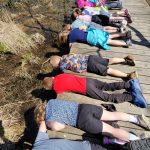
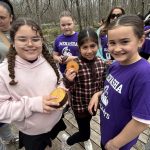
The laughter, the curiosity, the muddy boots all come together in those moments. While we are guiding, teaching, and answering questions, we are also hoping for something more, that each child leaves with a deeper connection to the natural world.
A Few Things We Wish Everyone Knew About Field Trips
If you are joining us on a field trip; whether as a teacher, chaperone, or parent, there are a few simple things that can make the experience even better:
Be present.
Put the phone away, slow down, and experience nature alongside the kids. Your excitement and curiosity matter.
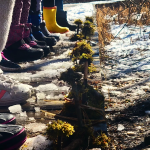
Dress for the outdoors.
Weather can change quickly, and we go out in just about every
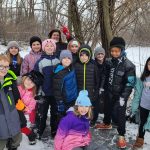
weather. Layers, boots, and weather-appropriate gear make all the difference.
Expect to get a little dirty.
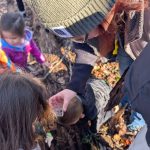
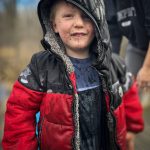
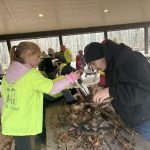
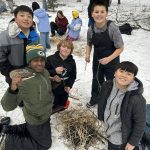
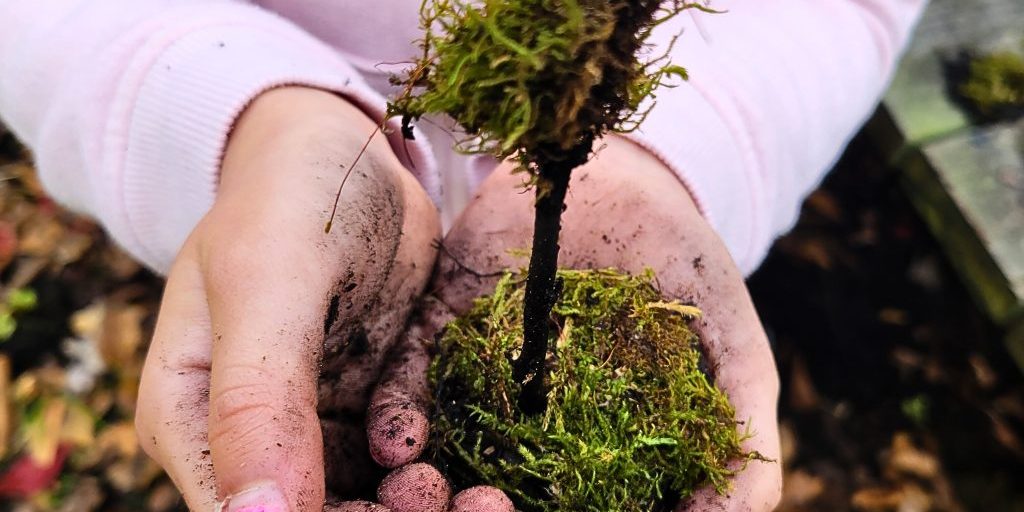
Mud, leaves, water; these are all part of the experience. Some of the best learning happens when kids can fully engage with nature.
Come prepared.
Sunscreen, water bottles, and weather-ready clothing help everyone stay comfortable and focused on the fun.
Let kids explore.
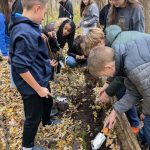
Encourage curiosity. Let them flip over logs, ask questions, and fully immerse themselves in the moment.
Have fun.
Field trips are not just about learning facts; they are about building memories, confidence, and a lifelong appreciation for the outdoors.
At the end of the day, a field trip is not just a lesson, it is an experience we build from the ground up. From early preparation to the final goodbye wave, every detail matters. And if we have done our job well, students leave not just knowing more but caring more.
Written by Andrea Bierbrauer
Naturalist/Early Childhood Program Manager