
Heckrodt’s Frequent Flyers
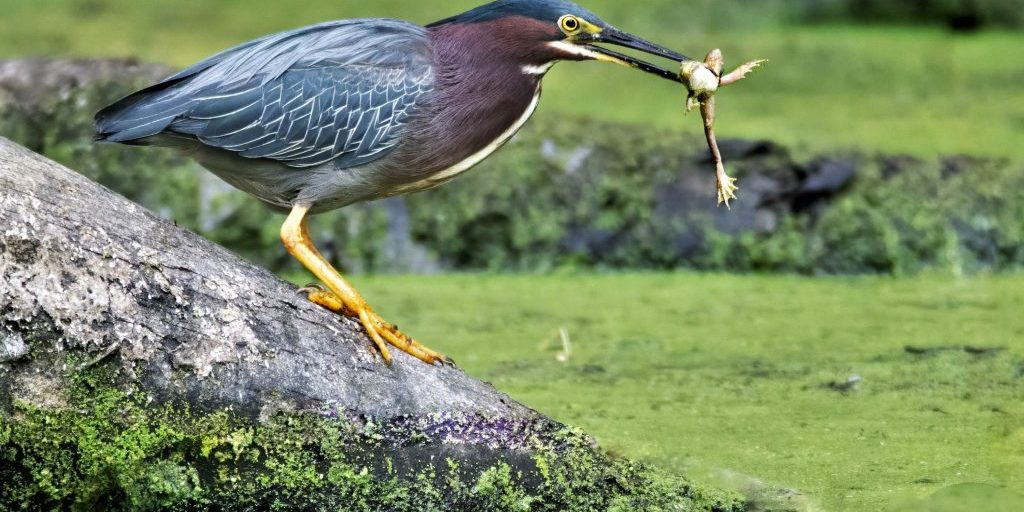
Overflowing with insects, endless trees, and protection from the public, we can see why many bird species call Heckrodt their home. The wetland provides refuge to migrating birds on their journeys. Additionally, birds take advantage of this space for breeding, nesting, raising young, feeding, resting, shelter, and more. Let’s get to know just a few examples of Heckrodt’s frequent flyers!
Sandhill Cranes
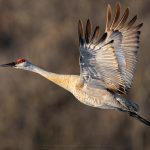
Photo by James Overesch
Sandhill Cranes are commonly spotted across Michigan, Minnesota, and Wisconsin during the warmer months. However, these birds require large enough bodies of water and nearby food in order to prepare for their migration. The naturalists and Heckrodt regulars have spotted many sandhill cranes throughout the reserve so far this summer. Be sure to keep an eye out, you can’t miss them!
Great Blue Heron 
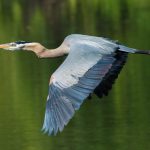
Although the Great Blue Heron is not much of a fan of intruders, they are pretty cool o look at from a distance! These birds grow up to 4 feet tall. If you’re on the search to find a Great Blue Heron, they tend to be on the shores of our ponds.
Black Capped Chickadee
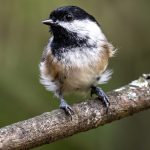
Photo by James Overesch
Black Capped Chickadees are very common in this area and we have seen quite a few around the reserve. Try to find the nest in the hole of the dead tree on the trail! These little guys have a distinctive call that you’ve probably heard on most of your walks through Heckrodt.
Wild Turkey
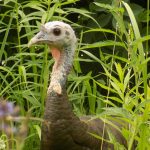
Wild turkeys are everywhere at Heckrodt! These large and colorful birds enjoy the variety of insects and seeds that the Reserve has to offer. You can likely find a couple of mother turkeys leading their young poults around.
Mallard Duck
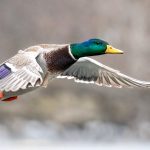
Photo by James Overesch
Heckrodt provides sanctuary and food to many Mallard ducks! If you’ve walked around the Lopas Chanel, or any of our ponds for that matter, you have likely seen the duckweed at the Reserve. Lucky for Heckrodt, we have ducks to eat this abundant plant.
Pileated Woodpecker
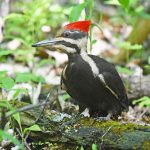
Photo By: Dave Stroebel
Known as one of the largest species of woodpeckers in North America, Piliated Woodpeckers are an exciting find on the reserve. These birds have distinct red crests on their heads and their traces can be found in the rectangular holes that they drill into trees. Piliated woodpeckers are very defensive of their territory.
Red Bellied Woodpecker
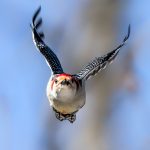
Photo by James Overesch
The Red Bellied Woodpecker is well known for being the most vocal in our area during breeding season. They use six different calls to communicate! Not to be confused with Red Headed Woodpecker, this bird displays an orange-red crown and nape.
Wood Duck
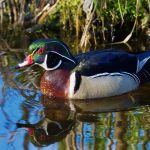
Photo By: Tim Sweet
Wood Ducks are common to quiet, shallow ponds. These beautiful birds were nearly hunted to extinction. Keep an eye out for the green head and red eyes of the male, and the female’s subtle brown colors and large white ring around her eyes.
Green Heron
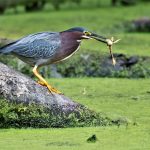
Photo By: Mark Burns
Compared to the Great Blue Heron, the Green Heron is much smaller with shorter legs. They are one of the few bird species to use bait to lure their prey. Additionally, they will drown certain animals such as small frogs before they eat them.
Barred Owl
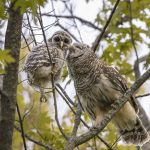
Photo By: Lacy Haedt
Barred Owls have been nesting at Heckrodt for the last 8 years! Unfortunately, the naturalists have not spotted them nesting yet this year. However, we predict that they will return next year. Barred Owls are native to Eastern North America, but have expanded to the West Coast where they are considered invasive.
Visit Heckrodt today and see how many different birds you can identify!
Written by: Lizzie Ramaeker
HWR Environmental Program Assistant LTE Summer 2024