
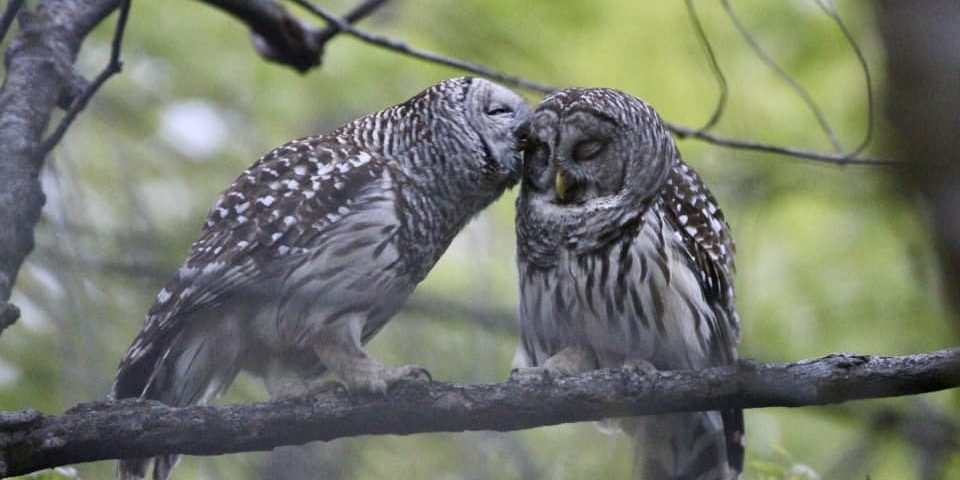
Animal Love Languages
From elaborate dances of birds to the songs of the frogs. The Animal Kingdom is the stage for some of the most bizarre and beautiful courtship rituals imaginable. Forget roses and chocolates – these creatures pull out all the stops to win the affections of their chosen mate. From vibrant displays of color to gravity-defying acrobatics, and competitive battles of strengths. Join us as we delve into the fascinating world of animal courtship, exploring the diverse and often hilarious strategies employed in the pursuit of love.
Groundhogs
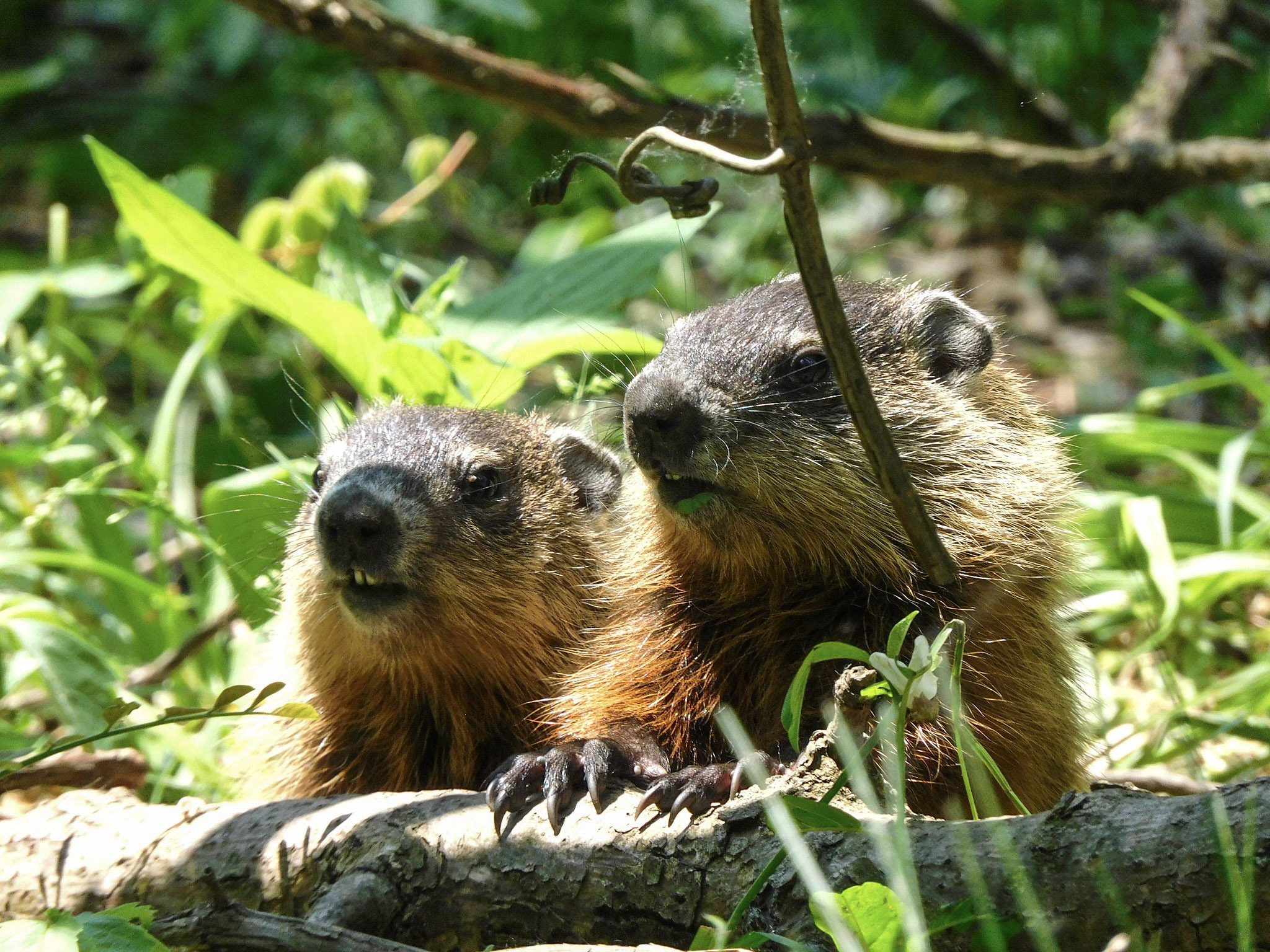
Photo by Andrea Bierbrauer
Mid-February male groundhogs emerge from hibernation and survey the surrounding territories. They then make house calls to the burrows where females are hibernating. to make sure that his territory is intact, and the females are in their burrows. He will then go back to sleep for a month. After about one month has past, he will then visit the female burrows once again, this time to mate.
Great Horned Owl
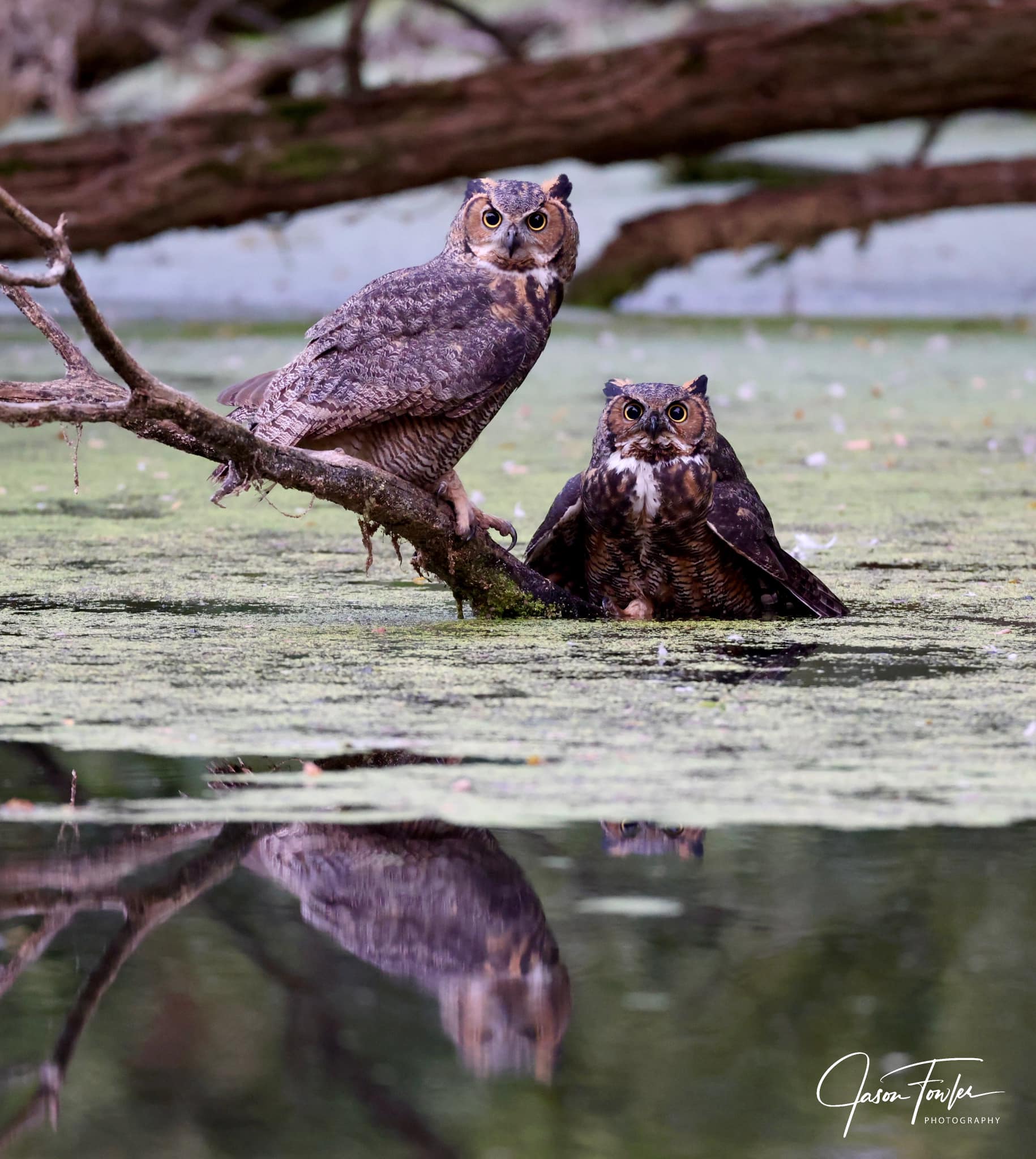
Photo By Jason Fowler
Great Horned Owls mate for life. Their mating season begins in late December and goes into early January. Males will start hooting quite regularly for up to six weeks in hopes to attract a female. The answering hoots of the female can be heard for about a week or two towards the end of that six-week period. The two owls will than perform a courtship dance which includes a lot of tail-bobbing, head jerking, and more deep calls. Soon after the female will lay her eggs on a nest.
Wood Frogs
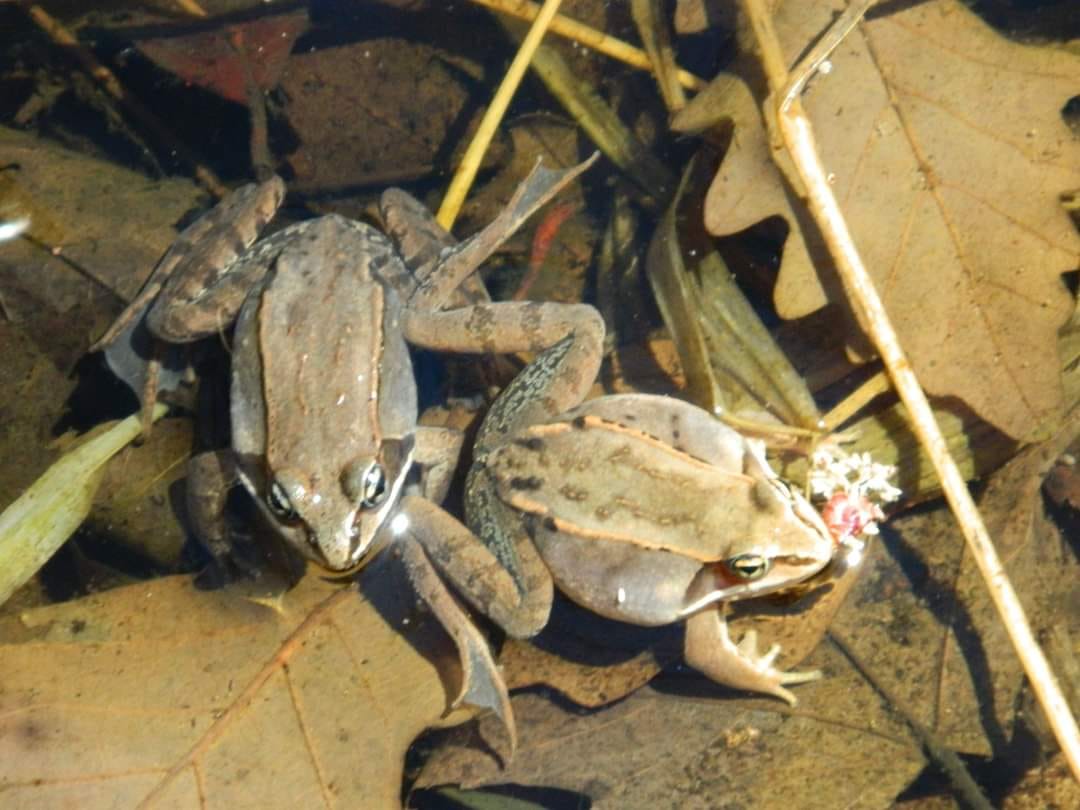
Photo by Andrea Bierbrauer
When it comes to wood frogs, sound really does matter. After emerging from their winter deep freeze, the wood frogs move to ponds to breed. Hundreds of male frogs will group together in armies. They will sing together in large choruses in hopes of attracting female frogs. A chorus of wood frogs sounds a lot like the chaotic gobbling of a group of turkeys. As the female frog approaches the group of males, they will compete with each other to win her over. The male that wins will than give her the mating hug.
Bald Eagles
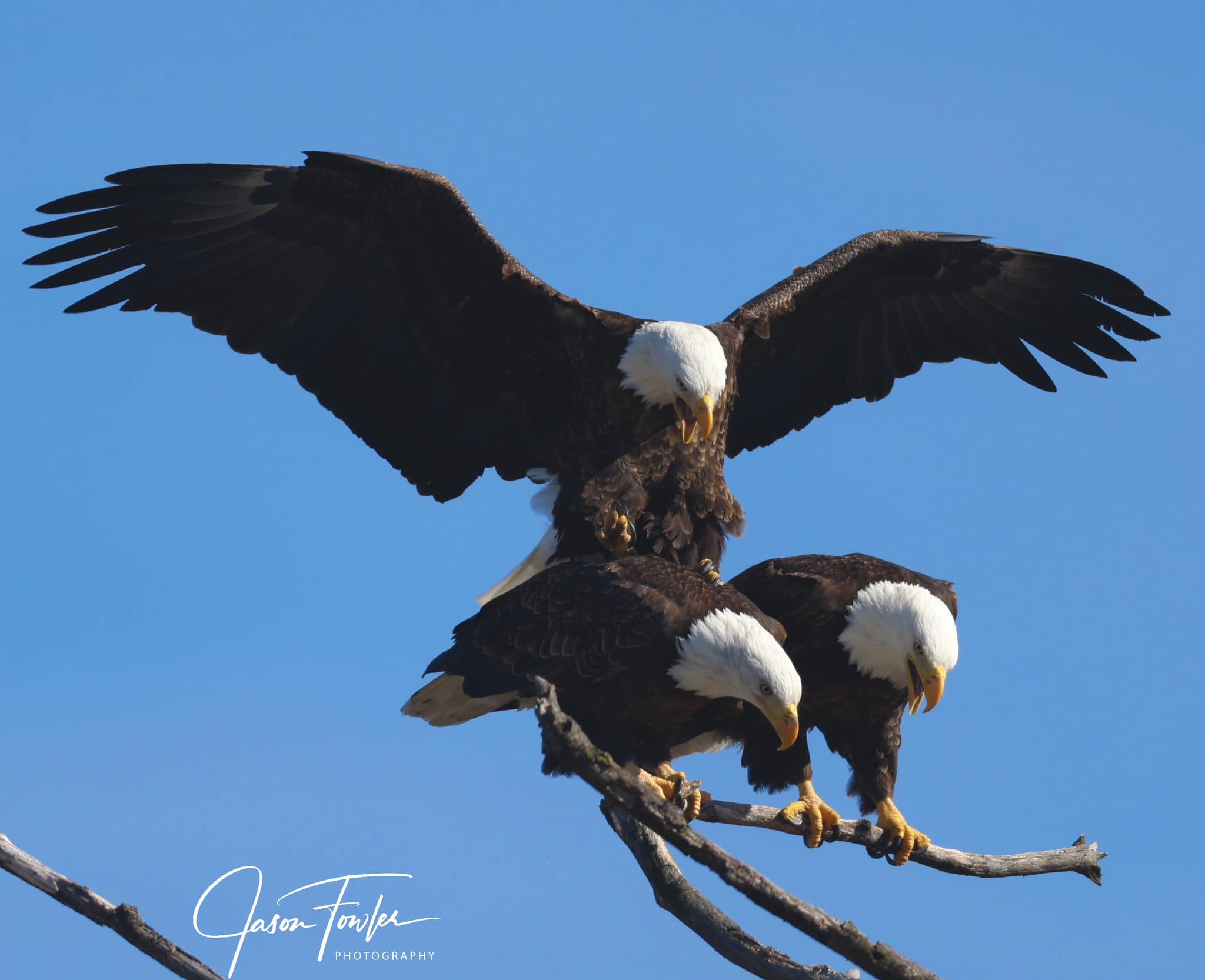
Photo By Jason Fowler
Bald eagles perform a dramatic courtship display called a “death spiral.” This ritual often occurs in the late winter or early spring. Both the male and female eagle fly to an extraordinary height in the sky. They lock talons, spread their wings and at the same time spin as they fall to the ground. They then release their talons at the last possible moment before they would plumet to the ground. This breathtaking display serves as a bonding experience, tests the strength and commitment of potential mates, and can also be used to establish nesting territory by signaling to other eagle pairs.
Butterflies
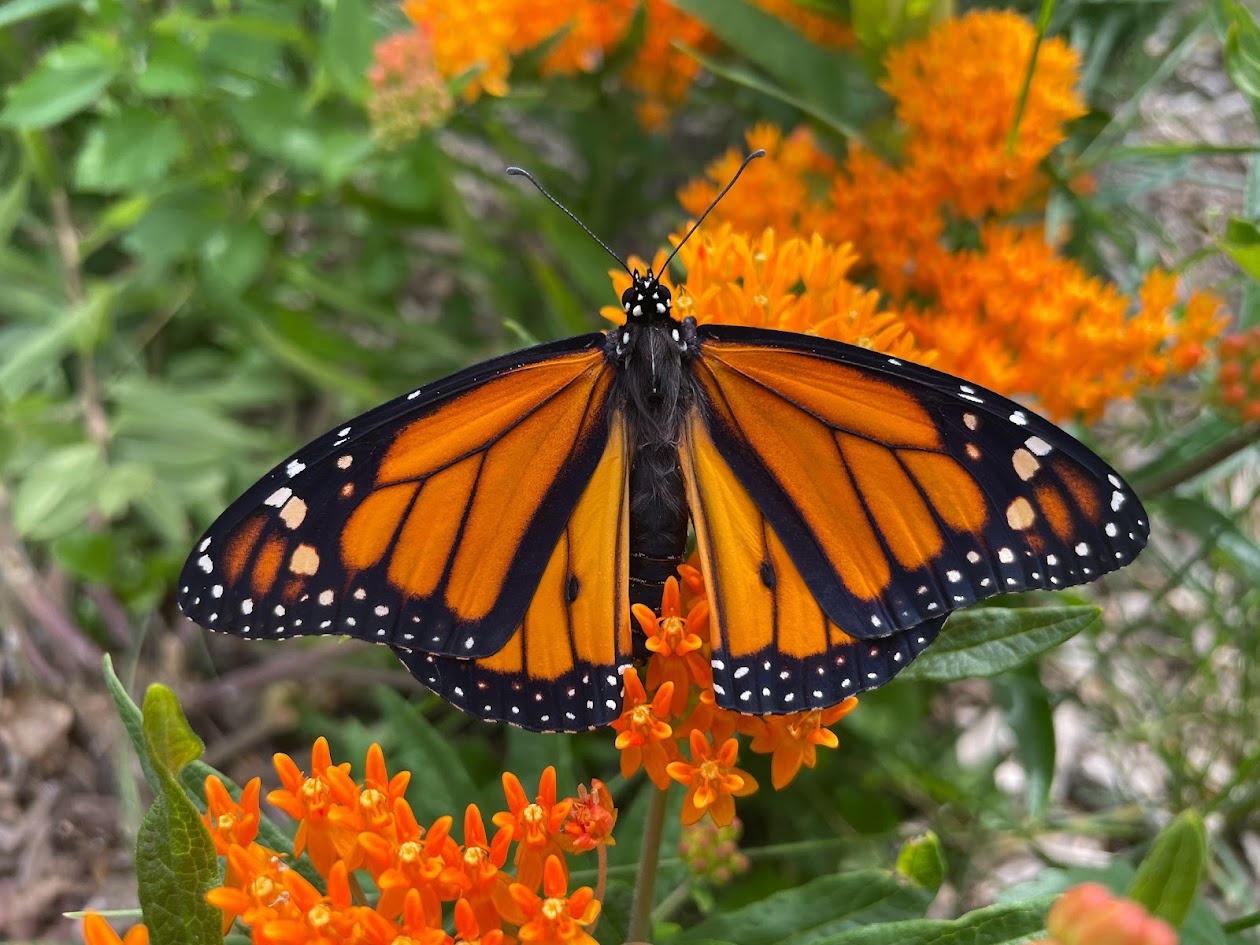
Photo by Maddie Jenks
A butterfly’s vibrant colors are key to attracting a mate. These colors also help distinguish males from females. Beyond visual cues, butterflies use pheromones, a kind of chemical perfume, for communication and mate selection. Some pheromones are incredibly potent, detectable by other butterflies over distances of up to ten miles. Once a pair finds each other, they engage in a fluttering “dance” to solidify their bond. While butterflies also spend time gathering nectar and pollinating flowers, finding a mate occupies a significant portion of their short lives.
Turkeys
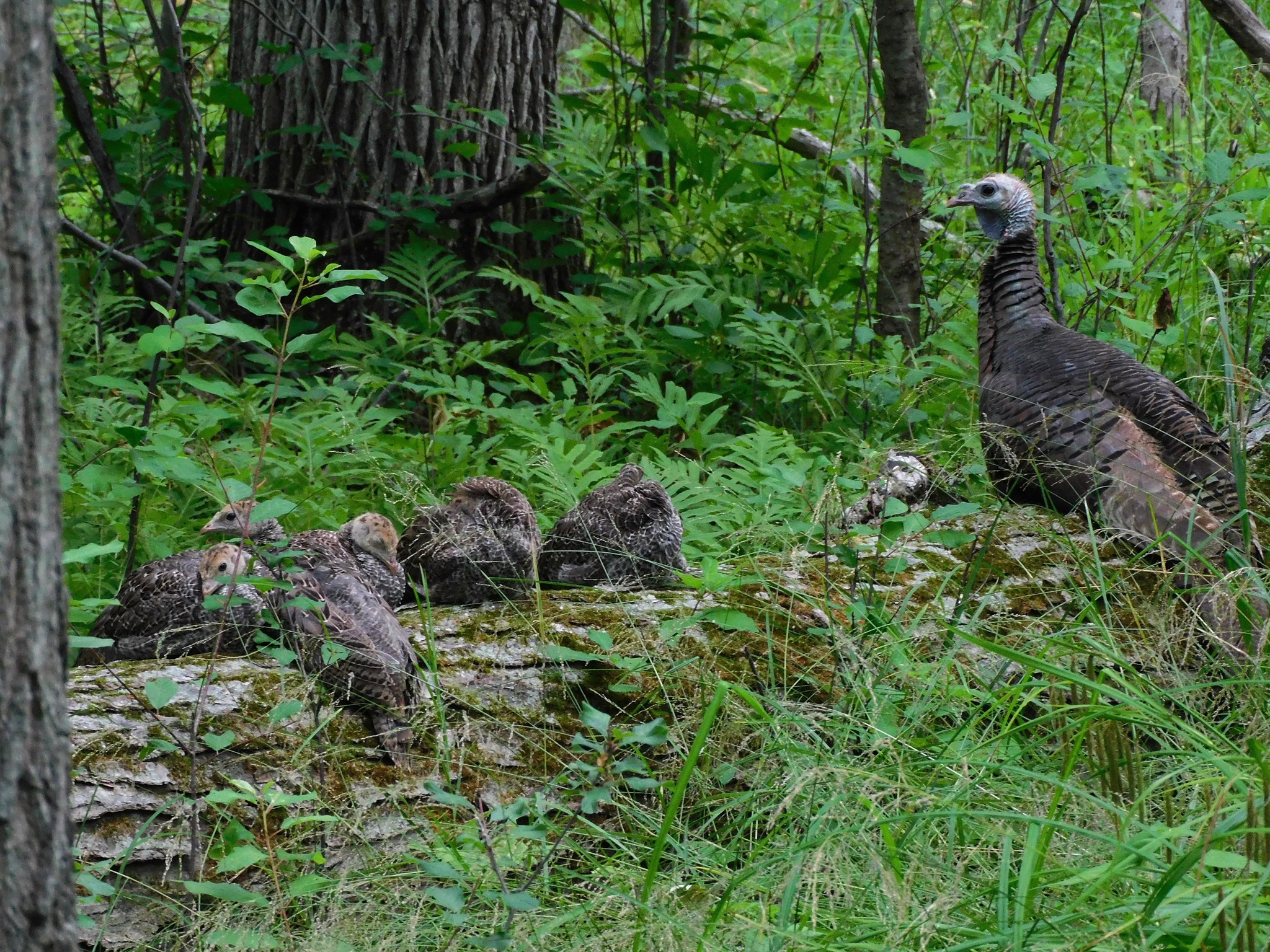
Photo by Andrea Bierbrauer
Gobbling, strutting, and puffing up to appear larger, are key to a turkey’s mating ritual. First the male turkeys known as Toms attract the female turkeys (Hens) by gobbling. This gobble can be carried over a mile away. Next the males strut their stuff by puffing up and displaying their iridescent tail feathers. Many times, males will also drag their wings on the ground making themselves appear quite large. Once a hen has decided that she wants a tom as her mate she will crouch down.
The next time you witness a bird singing its heart out or a butterfly fluttering around, take a moment to appreciate the complex and fascinating world of animal love languages.
Written by Andrea Bierbrauer and Maddie Jenks
HWR Naturalists
Feature Photo Taken By Faith Behnke