
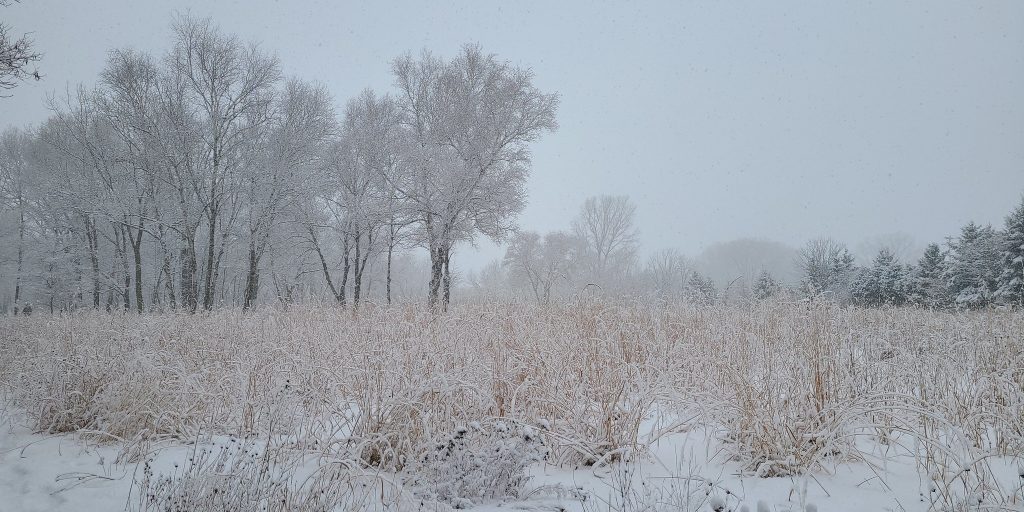
Surviving Winter: A Pollinator’s Journey
Have you ever wondered what butterflies, honeybees and other pollinators do as winter approaches?
Each pollinator has their own unique way to survive the winter. Some pollinators migrate to find warmer weather while others huddle together to stay warm. Let’s buzz on into how some of our local pollinators survive the Wisconsin winter!
Honeybees
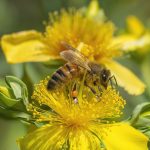
Honeybee Photo by Mike Bruch
Honeybees gear up for winter by storing as much honey as possible. The worker bees (female bees) will kick the drones (male bees) out of the hive before winter because they eat the most honey. The worker bees and the queen are the only ones who remain in the hive during the winter. These bees will huddle together with the queen in the middle to keep warm. When temperatures reach extreme cold levels, the bees will shake and shiver together to create warmth. Once temperatures reach around 50 degrees Fahrenheit the bees will start emerging to collect nectar and restore their supply of honey.
Bumblebees
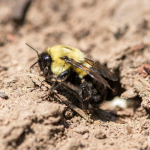
Bumble Bee Photo by Mike Bruch
The various species of native bumblebees found in Wisconsin hunker down and hibernate on their own to survive the winter. The queen bumblebee spends most of the fall gathering nectar and pollen to bulk up for the long winter ahead. The queen will mate before going into hibernation. This is because the queen is the only one who lives through the winter, the rest of the bumbles will die off. The queen will use an empty burrow to hibernate in throughout the winter. She will stay warm with layers of grass and leaves. When the weather warms in the spring, she will find a new nesting site and start a new colony.
Mason Bees
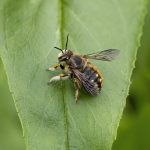
Mason Bee Photo by Mike Bruch
Mason bees are solitary bees meaning they spend most of their time living on their own rather than in a large hive. Mason bees will only lay one generation of new bees per year. The males will die shortly after they have emerged and mated. Leaving the female to find a nest location to lay the eggs. Mason bees spend the majority of the summer months going through their lifecycle. With the last stage turning them into adults and making cocoons to over winter in. Mason bees create nesting chambers inside of flower stems where they will often overwinter.
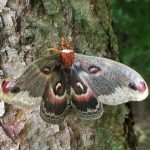
Cecropia Moth
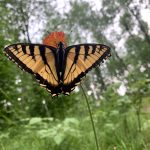
Eastern Tiger Swallowtail Butterfly
Swallowtail Butterflies and Cecropia Moths
Cecropia moths and swallowtail butterflies spend their fall as caterpillars. They will eat as much as they can to bulk up for the winter. Once the temperatures start to drop that is the signal to these pollinators that it is time to get ready for winter. These caterpillars will make themselves a protective cocoon to spend their winter in. They will spend the whole winter in the cocoon until the days start getting longer and the plants start to bloom.
Monarch Butterflies
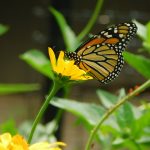
Monarch Butterfly
Monarch butterflies spend the winter how many of us wish we could, by going on a tropical vacation. During the month of September, the 4th generation of monarch butterflies start making their long journey down to Mexico. Although spending the winter out of the cold sounds good in theory, Monarchs must overcome many obstacles to make their way there. These obstacles include but are not limited to cars, being eaten by birds, wind and other weather-related issues. Once these butterflies have reached their final destination, they will spend the winter gathered with 1,000s of other monarchs on fir trees. They will spend roughly 5 months down there before they start making their generational trip back.
How can you help?
It’s hard enough to battle the Wisconsin winters even with layers of clothing to keep you warm. You can help give our local pollinator species a fighting chance in surviving winter by:
- Leaving piles of leaves in your garden beds to provide warmth and places to hide.
- Leaving up dead flower stems, providing the pollinators with a hollow stem to tunnel in for the winter.

Pollinator Hotel at Heckrodt
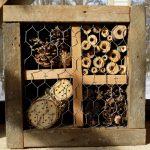
- Place a pollinator “hotel” in your yard to provide a space for pollinators to hibernate in.
- Don’t cover areas of bare soil right before winter. Those spots collect sun and are less prone to flooding. This makes it the perfect nesting location for bumblebees.
- Leave dead logs on the ground throughout the winter. Some pollinators will hibernate underneath the bark to survive.
As we are cozy and warm in our houses this winter, we can remember the pollinators and look forward to their delightful return when the weather warms in spring.
Written by: Maddie Jenks
HWR Naturalist Educator