Survival in the Sub-Zero: How Plants Brave a Wisconsin Winter
As I sit in my house on this winter day too cold to go to work, listening to the crackle of the fireplace on my TV, I dream of summer days filled with luscious green ferns and blooming purple coneflowers at the Reserve.
During these cold times of year, we often think of the animals that are out in the cold, providing them with seed, heated bird baths, and leftover evergreen trees to shelter in. However, animals are not the only ones who have to survive out in the cold; plants do, too. Much like the warm fuzzy critters who spend their winters adapting to the Wisconsin cold, the plants do much of the same.
One of the most common ways plants adapt to the winter is by going dormant. Think of dormancy as a pause button. When the days shorten and the first frost hits, plants undergo changes that stop their growth and slow their metabolism to a crawl. By shedding their leaves, trees like our local Maples and Oaks prevent water loss and protect their limbs from snapping under the weight of heavy snow.
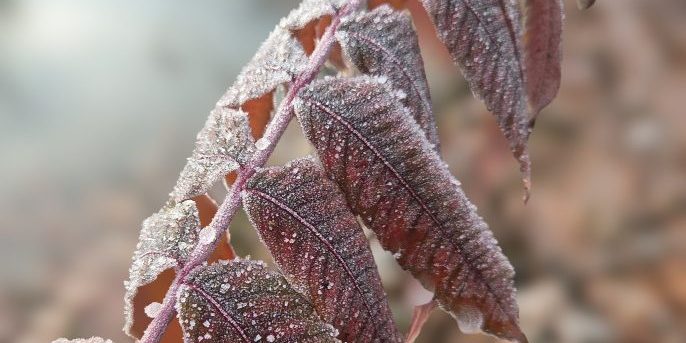
Evergreens and even the roots of our favorite perennials have a secret weapon: cold hardening. As temperatures drop, plants move water out of their individual cells and into the spaces between them. They then increase the concentration of sugars within the cells. This creates a natural “antifreeze” solution. By increasing, the freezing point of the liquid inside the cell drops, ensuring that the cell walls don’t burst when the temps dip below zero.
While we might dread shoveling the driveway, the plants at the Reserve are actually rooting for a heavy snowfall. Snow acts as an insulator, trapping the earth’s natural heat and protecting the root systems. Beneath a foot of snow, the ground temperature remains significantly warmer than the air above.
You might ask yourself how do our native plants help wildlife during harsh winter weather?
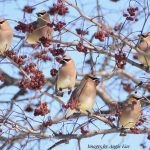
Native plants provide critical support for wildlife when temperatures drop, and food becomes scarce. After the first hard frosts, many native species continue to offer essential nourishment. Seed heads from coneflowers, sunflowers, and native grasses become natural bird feeders, while shrubs like winterberry holly and serviceberry provide bright berries that sustain birds and small mammals well into the cold season. Leaving these plants standing through winter ensures wildlife has reliable access to energy when they need it most.
Beyond food, plants also create safe shelter from biting winds and predators. Dense conifers such as juniper and pines act as “living hotels,” offering protection for birds, rabbits, and other small animals. Hollow stems of perennials like goldenrod and asters provide overwintering habitat for pollinators and beneficial insects, while goldenrod galls shelter larvae equipped with natural “antifreeze” to survive freezing temperatures. Even fallen leaves play an important role—leaf litter insulates insects, frogs, and salamanders, protects soil life, and creates valuable foraging space for birds. By allowing native plants and leaves to remain in place, we help create a winter refuge for Wisconsin wildlife.
As I watch the embers glow on my screen, I find comfort in knowing that life at the Reserve isn’t gone; it’s just waiting. Those purple coneflowers are tucked away in the dark, using every ounce of stored sugar to survive the stretch. Soon enough, the daylight will linger, the “antifreeze” will turn back to sap, and the first green shoots of spring will break the silence. Until then, stay warm, keep those bird feeders topped off, and we’ll see you on the trails at the Reserve soon!
*blog written during the deep freeze of 2026
*Cover Photo By Angie Kriescher
-

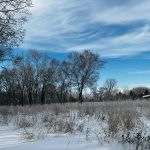
- Winter in the Prairie Photo by Andrea Bierbrauer
-
- Cedar Waxwings eating Berries Photo by Angie Kriescher
-
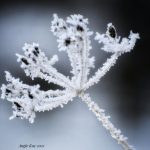
- Frosty Flower by Photo by Angie Kriescher
-
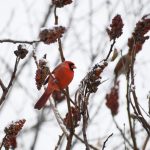
- Cardinal in Sumac Photo by Angie Kriescher
-
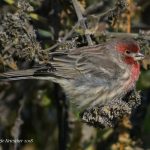
- House Finch eating a Seed Angie Kriescher Photo by A
-
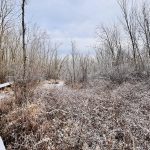
- Winter in the Wetland Photo by Andrea Bierbrauer